
“Cardio” simply means activity that makes your heart beat faster and your breathing deeper for a while. For adults 65 and older, CDC guidance is at least 150 minutes a week of moderate-intensity aerobic activity, for example 30 minutes on five days, together with strength and balance work. If that sounds like a lot, start smaller: CDC also notes that some activity is better than none, and that you should be as active as your abilities and conditions allow.
Low-impact means one foot stays on the floor (or you are seated), so there is no jumping or landing. That makes it easier on knees, hips and feet, and easier to do in a living room.
How hard should it feel? The talk test
Moderate effort: you can talk, but you could not sing. On a 0–10 scale, where 0 is sitting and 10 is your maximum effort, this is about a 5 or 6.
Too hard for this routine: you cannot say more than a few words without pausing for breath. Slow down.
Both rules of thumb come from CDC guidance on measuring activity intensity.
Start at the easy end. It is normal to breathe a little harder; it is not normal to feel dizzy, faint, or have chest pain. Stop if that happens and seek medical help.
6 low-impact cardio exercises
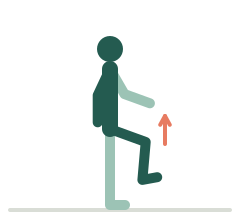
1.March in place
Stand tall near a counter or chair. Lift one knee, then the other, at a comfortable height. Swing the arms naturally.
- Seated option: seated march.
- Make it harder: lift the knees a little higher, or march a little faster.
- Keep a hand on the support if you feel unsteady.
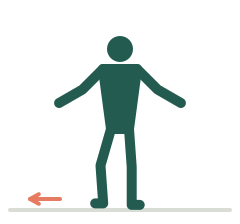
2.Side steps
Step one foot out to the side, bring the other foot to meet it, then step back the other way. Let the arms swing or reach out to the sides.
- Easier: small steps, holding a counter.
- Harder: wider steps, or two steps each way.
- Clear the floor of rugs and clutter first.
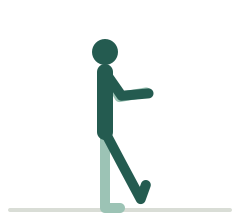
3.Heel digs
Tap one heel forward on the floor, bring it back, then tap the other. Press both arms forward each time you tap.
- Easier: seated heel taps.
- Harder: a quicker rhythm with arm presses.
- Keep the standing knee soft, not locked.
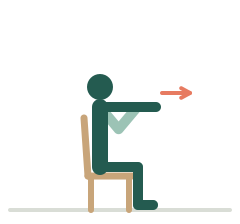
4.Chair boxing
Sit tall near the front of the chair, feet flat. Punch one arm forward at shoulder height, pull it back, then punch with the other arm. Breathe out on each punch.
- Easier: slower punches, lower height.
- Harder: add a small seated march at the same time, or stand up.
- Keep elbows soft; do not snap the arm straight.
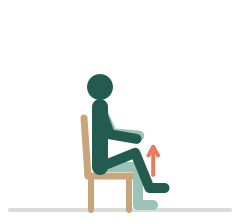
5.Seated march
The seated version of marching. Hold the chair sides and lift the knees in turn, with arm swings if comfortable.
- Good for warm-ups, cool-downs and tired days.
- Harder: faster rhythm with bigger arm swings.
- Count to 30 and rest.
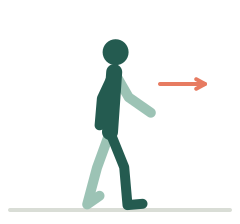
6.Walk it out
Walking is still one of the easiest low-impact cardio options. Indoors, walk a loop through the hall and kitchen; outdoors, choose an even path.
- Easier: short loops with rests.
- Harder: a brisk pace where talking is possible but singing is not.
- Read more about walking speed in our walking article.
A 15-minute low-impact cardio routine (3 levels)
| Time | Exercise | Level 1: seated | Level 2: standing with support | Level 3: standing |
|---|---|---|---|---|
| 0–3 min | Warm-up march + shoulder rolls | Seated march, slow | March holding the counter | Easy march, arms swinging |
| 3–6 min | March with arm swings | 30 sec on, 30 sec easy | 45 sec on, 15 sec easy | Continuous, a little faster |
| 6–8 min | Side steps | Seated: tap each foot out to the side | Small steps along the counter | Wider steps, arms reaching |
| 8–10 min | Heel digs | Seated heel taps | Heel digs holding support | Heel digs with arm presses |
| 10–12 min | Chair boxing | Seated, 30 sec on, 30 sec rest | Seated, continuous | Standing, with a small march |
| 12–13 min | March again | Seated march | March holding support | Steady march |
| 13–15 min | Cool-down | Slow march, then a gentle calf stretch and chest opener. Breathe slowly. | ||
Stay in a level for a couple of weeks before moving up. You can also do the routine twice a day, or combine it with a 15-minute walk, to build toward the weekly target.
Build the week
A realistic first month could be the 15-minute routine on three days and a short walk on two others. Add strength work on two days, such as the chair exercises or resistance band exercises, and a few minutes of balance practice. The weekly workout plan for over 50 or the beginner movement week shows one way to lay it out.
Safety notes
- Stop for chest pain, faintness, unusual shortness of breath, or sudden joint pain, and seek appropriate medical help.
- If you have osteoporosis, a recent surgery, dizziness, or a fall history, ask a clinician or physical therapist how to adapt these movements.
- Use a sturdy chair without wheels. Put it against a wall if it slides.
- Ordinary muscle effort is fine. Sharp or worsening pain is a signal to stop.
If you have a heart or lung condition, take medicines that affect your heart rate, or have been told to limit activity, ask your clinician what level of effort is right for you.
FAQ
What is the best low-impact cardio for seniors?
The one you will repeat. Walking, marching in place, side steps, chair boxing, cycling, swimming and water exercise are all low-impact options. Choose what fits your joints, space and balance.
How many minutes of cardio do seniors need?
CDC guidance for adults 65 and older is at least 150 minutes a week of moderate-intensity activity, such as 30 minutes on five days. If that is not possible yet, start with what you can do; some activity is better than none.
How do I know if I am working hard enough?
Use the talk test. At moderate effort you can talk but not sing. If you cannot say more than a few words without pausing for breath, slow down.
Can I do cardio sitting down?
Yes. Seated marching, seated heel taps and chair boxing can raise your breathing. Level 1 of the routine is fully seated.