“Ultra-processed” describes a broad category, not a single ingredient or moral failure. These foods can be cheap, convenient and heavily marketed, and they often make up a large share of modern diets.
What the research can tell us
In a small NIH trial, 20 adults ate an ultra-processed diet and an unprocessed diet for two weeks each. They ate more calories and gained weight during the ultra-processed phase. That is useful experimental evidence, but a short trial does not show that every packaged product has the same effect or explain an individual's symptoms.
Three changes that fit a normal kitchen
- Breakfast: try plain yogurt with oats and fruit if a very sweet breakfast leaves you looking for something more satisfying.
- Lunch: keep beans, eggs or another convenient protein food available, with bread and vegetables you like.
- Drinks: make water an easy everyday option if sugary drinks have become the automatic choice.
Choose one swap you would happily repeat. A food plan that depends on endless preparation is easy to abandon when life gets busy.
Read the label without turning shopping into an exam
Compare similar products and look at ingredients, fibre, salt and added sugars where these are listed. An unfamiliar ingredient name alone is not a useful verdict on a whole food.
Convenience has a place. A bag of frozen vegetables or a tin of beans can make a home meal possible. Consider what a product contributes to the meal and what you would realistically eat instead.
Make the next shop easier
Find a practical shopping list in our meal-planning guide, alongside three dinner ideas. Use that page for the shopping; use this one to think about the overall pattern.
Shop the perimeter: a practical real-food list
When you want fewer ultra-processed defaults, fill most of the cart with ingredients from the outer aisles and a short pantry list:
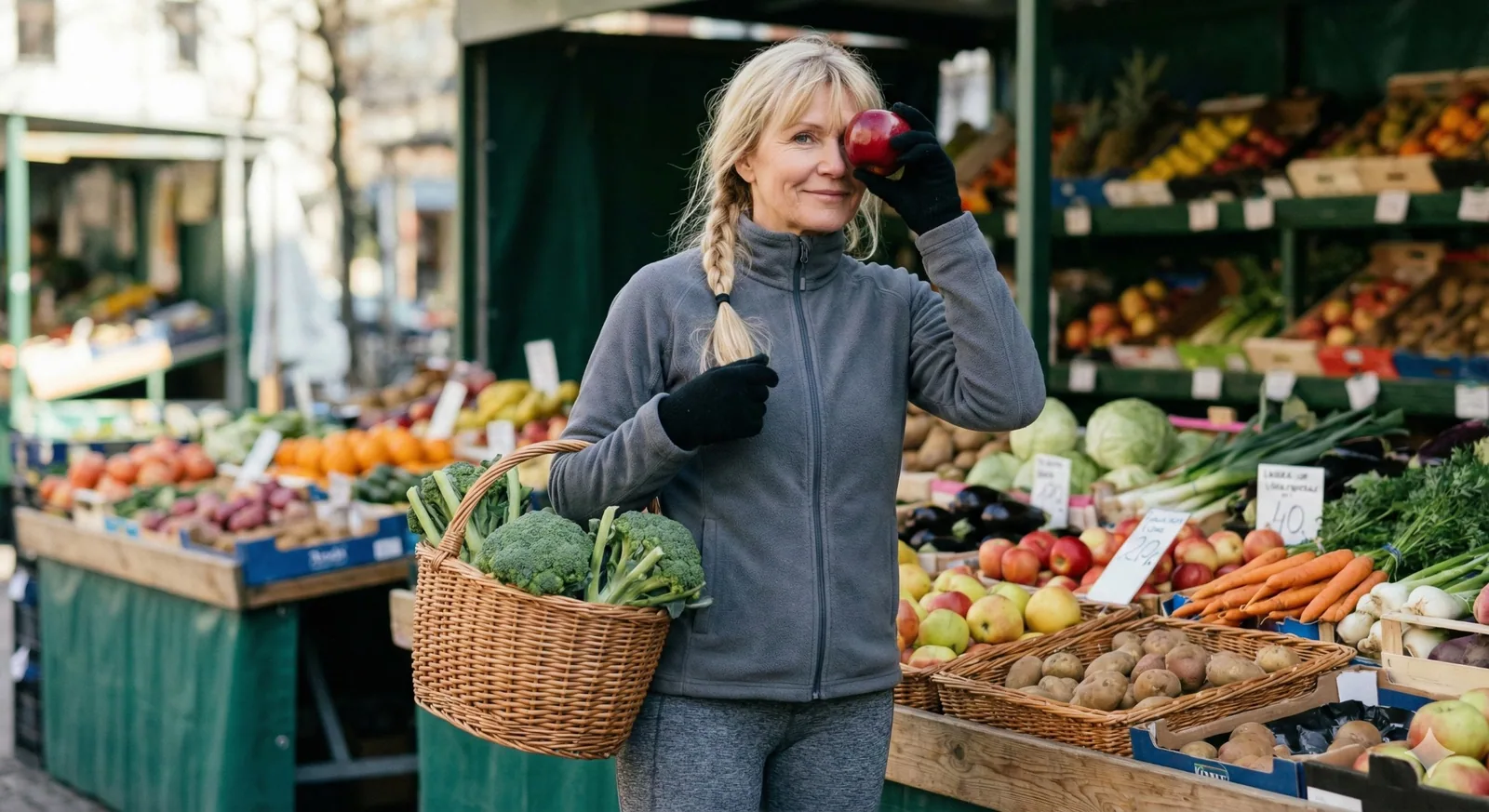
- Produce: berries (fresh or frozen), citrus or apples, leafy greens, broccoli, carrots, onions, garlic, tomatoes, potatoes or sweet potatoes
- Protein: eggs, fish (fresh or canned in water/oil), chicken, Greek yoghurt, lentils, beans, tofu
- Fats & flavour: olive oil, nuts, seeds, herbs, spices, lemon
- Smart carbs: oats, whole grains, brown rice or potatoes — pick what you enjoy and digest well
Frozen vegetables and berries count. Prefer short ingredient lists. For a full planning workflow, use our English guide: How to Plan Healthy Meals. Also see nutrition and the grocery list tool.